
-
 Infinity Media
- 5 Min Read
The Top 10 Rulers In Africa (2026)
Africa, the cradle of humanity, has always been a land of great leaders, powerful rulers, and visionaries who shaped the destiny of their people. From the days of pharaohs and warrior kings to the modern era of monarchs and traditional rulers, Africa has never been short of strong leadership. While politics and democracy dominate today’s governance, traditional rulers still play a central role in preserving culture, maintaining social order, and influencing the affairs of their nations.
In this post, we’ll explore the Top 10 Rulers in Africa—men and women who command respect, wield influence, and represent the essence of African royalty and authority.
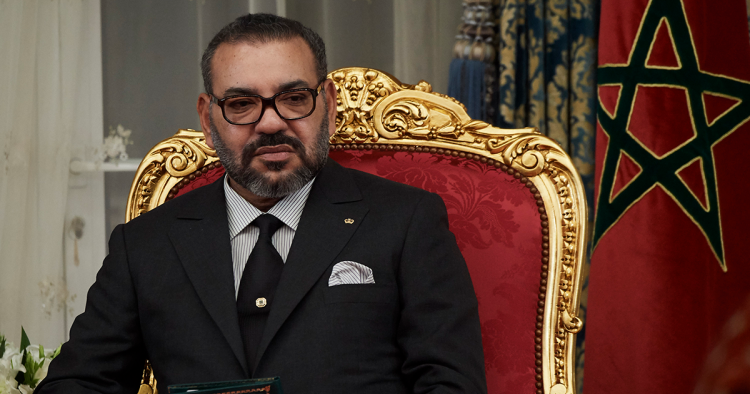
1. King Mohammed VI of Morocco
King Mohammed VI is one of the most powerful and wealthiest rulers in Africa. Ascending the throne in 1999 after the death of his father, King Hassan II, Mohammed VI has transformed Morocco into one of Africa’s most stable and economically progressive nations.
He holds vast business interests through the Moroccan royal family’s investment arm, SNI (Société Nationale d'Investissement), which has stakes in banking, mining, energy, and telecommunications. Beyond business, King Mohammed VI is admired for his progressive reforms, investments in infrastructure, and commitment to women’s rights.
His influence stretches beyond Morocco, positioning him as a significant figure in both African and Arab politics.
2. King Mswati III of Eswatini
King Mswati III, the last absolute monarch in Africa, rules Eswatini (formerly Swaziland). Ascending the throne in 1986, he has maintained traditional monarchy while also embracing aspects of modern governance.
Though sometimes criticized for his lavish lifestyle, King Mswati III is deeply respected in Eswatini for preserving Swazi traditions and cultural heritage. The annual Umhlanga Reed Dance, attended by thousands of maidens, showcases his role as a cultural custodian.
Economically, he wields significant power through Tibiyo Taka Ngwane, a royal investment company that controls sugar, property, mining, and telecommunications assets in the country.
3. Oba Adeyeye Enitan Ogunwusi (Ooni of Ife), Nigeria
The Ooni of Ife is not just a monarch but also a spiritual leader of the Yoruba people in Nigeria and beyond. Oba Adeyeye Ogunwusi, crowned in 2015, is regarded as one of the most respected traditional rulers in Africa.
Ife, known as the cradle of the Yoruba civilization, places the Ooni at the center of cultural and spiritual identity for millions. Beyond tradition, he has been a strong advocate for youth empowerment, entrepreneurship, and Pan-African unity.
His global recognition makes him one of Africa’s most influential monarchs.
4. Sultan Sa’ad Abubakar III, Nigeria
The Sultan of Sokoto is the spiritual leader of millions of Muslims in Nigeria and across West Africa. Sultan Sa’ad Abubakar III ascended the throne in 2006 and has since played a major role in fostering peace, interfaith dialogue, and community development.
The Sokoto Caliphate, founded in 1804 by Usman dan Fodio, remains one of the most significant Islamic institutions in Africa. The Sultan’s influence extends beyond religion—he is a strong voice in Nigerian politics and cultural affairs.
5. King Letsie III of Lesotho
King Letsie III rules the Kingdom of Lesotho, a small but proud nation in Southern Africa. Although Lesotho is a constitutional monarchy and the king’s powers are largely ceremonial, his influence in uniting his people is undeniable.
He ascended the throne in 1996 and has since played a symbolic role in promoting stability, cultural pride, and national identity. King Letsie III is also recognized globally, serving as the African Union’s Nutrition Champion due to his advocacy for food security and health.
6. Asantehene Otumfuo Osei Tutu II, Ghana
The Ashanti Kingdom, with its rich history and traditions, is led by Asantehene Otumfuo Osei Tutu II, enthroned in 1999. He is one of Africa’s most revered kings, symbolizing the pride and heritage of the Ashanti people.
The Asantehene has worked tirelessly to preserve Ashanti culture while promoting education, health, and development projects across Ghana. His Otumfuo Education Fund has provided scholarships and infrastructure support for thousands of students.
Respected across Africa, he is a key figure in traditional leadership and community development.
7. Kabaka Ronald Muwenda Mutebi II, Uganda
The Kabaka of Buganda, Ronald Muwenda Mutebi II, is one of the most influential traditional leaders in East Africa. Installed in 1993, he leads Buganda—the largest kingdom in Uganda—representing millions of Baganda people.
The Kabaka plays a vital cultural role, preserving Buganda traditions while also engaging in social development initiatives. His leadership has helped maintain Buganda’s strong identity within Uganda.
8. Oba of Benin, Ewuare II, Nigeria
The Benin Kingdom is one of Africa’s most ancient and respected monarchies, dating back to the 12th century. Oba Ewuare II, crowned in 2016, continues this great legacy.
The Oba of Benin wields immense cultural and spiritual influence. He has been a strong advocate against human trafficking and illegal migration, calling on both government and international bodies to support young Nigerians.
His role in promoting culture, tradition, and justice makes him one of Africa’s most respected rulers.
9. King Goodwill Zwelithini (Late), South Africa
Although King Goodwill Zwelithini passed away in 2021, his legacy as the Zulu monarch deserves recognition. He was the longest-serving Zulu king, having ascended the throne in 1968.
King Zwelithini was a powerful cultural custodian, preserving Zulu traditions such as the famous Reed Dance Ceremony. He commanded loyalty from millions of Zulus and influenced South African politics, particularly in KwaZulu-Natal.
His legacy continues through the Zulu royal family, making the Zulu monarchy one of Africa’s most prominent.
10. Emperor Haile Selassie I (Historical Icon), Ethiopia
Though no longer alive, Emperor Haile Selassie I of Ethiopia remains one of the most iconic rulers in African history. He reigned from 1930 to 1974 and was instrumental in modernizing Ethiopia while fiercely defending its independence against colonial powers.
Haile Selassie was also a founding figure of the Organization of African Unity (OAU), now the African Union, and is revered worldwide, particularly within the Rastafarian movement. His vision of African unity and independence still resonates today.
Conclusion
Africa’s rulers—past and present—play an essential role in shaping the continent’s identity. From kings and sultans to emperors and obas, these leaders embody the spirit of tradition, cultural pride, and influence.
While their powers vary, from absolute monarchs like King Mswati III to ceremonial rulers like King Letsie III, their impact on African society is undeniable. They remain symbols of unity, history, and continuity in a rapidly changing world.