
-
 Infinity Media
- 4 Min Read
Roman Catholic Church In South Africa: History, Beliefs, Growth, And Influence
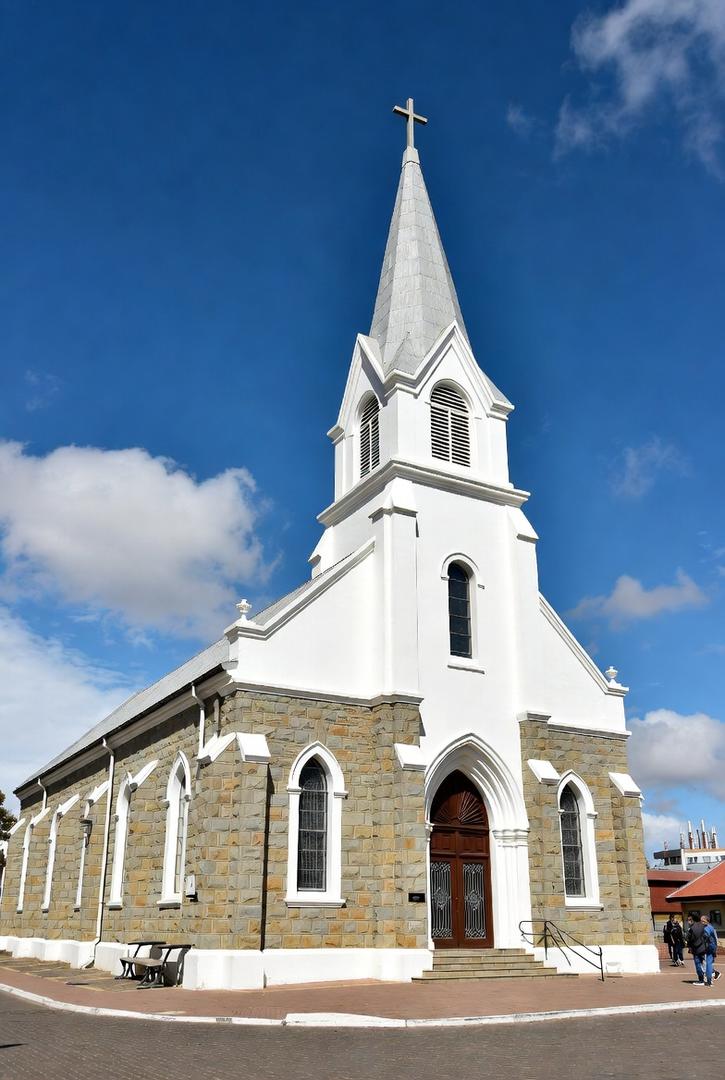
When you talk about Christianity in South Africa, it’s impossible not to mention the Roman Catholic Church in South Africa. It is one of the oldest and most established Christian communities in the country, with a rich history that stretches back hundreds of years.
From beautiful cathedrals to strong community programs, the Catholic Church has played a major role in shaping both the spiritual and social life of South Africans.
In this blog post, we’ll break everything down in a simple, easy-to-understand way—so whether you’re curious, researching, or just exploring, you’ll get a clear picture of what the Catholic Church in South Africa is all about.
The History of the Catholic Church in South Africa
The roots of the Catholic Church in South Africa go back to the 1600s, during the early days of European exploration. However, real growth began in the 1800s when missionaries arrived to spread Christianity more actively.
These missionaries didn’t just preach—they built schools, hospitals, and communities. Over time, their efforts helped establish a strong Catholic presence across the country.
Despite facing challenges like colonial tensions and apartheid, the church continued to grow and adapt. It became not just a religious institution, but also a voice for justice and equality.
Growth and Presence Today
Today, the Roman Catholic Church in South Africa has millions of followers across the country.
You’ll find Catholic churches in almost every city and town—from large urban cathedrals to smaller rural parishes. This wide reach has made the church accessible to people from different backgrounds and cultures.
The church is also part of the global Roman Catholic Church, which means it is connected to millions of believers worldwide and follows the leadership of the Pope in Rome.
Leadership Structure
The Catholic Church has a very organized leadership system.
At the global level, it is led by the Pope. In South Africa, leadership is handled by bishops and archbishops who oversee different regions, known as dioceses.
These leaders work together under organizations like the Southern African Catholic Bishops’ Conference, which helps guide the church’s activities across Southern Africa.
This structure helps maintain unity and ensures that teachings remain consistent everywhere.
Core Beliefs of the Catholic Church
The Catholic Church is based on the teachings of Jesus Christ and the Bible, but it also includes long-standing traditions that have been passed down over centuries.
Here are some of the key beliefs:
1. Faith in God and Jesus Christ
Catholics believe in one God and in Jesus Christ as the Son of God and Savior of the world.
2. The Sacraments
The church practices seven sacraments, including baptism, communion, and marriage. These are seen as important spiritual steps in a believer’s life.
3. The Importance of the Church
Catholics believe the church plays a central role in guiding believers and helping them grow in faith.
4. Love and Service
Helping others, especially the poor and vulnerable, is a core part of Catholic teaching.
Worship Style and Traditions
Catholic worship is known for its structure and deep sense of tradition.
A typical service, called Mass, includes:
-
Readings from the Bible
-
Prayers and hymns
-
A sermon (homily)
-
Holy Communion
Unlike some modern churches, Catholic services are usually more calm and reflective. This creates a peaceful atmosphere where people can connect with God in a quiet and meaningful way.
Role in Education and Healthcare
One of the biggest contributions of the Catholic Church in South Africa is its role in education and healthcare.
Education
Catholic missionaries were among the first to establish schools in many parts of the country. Today, Catholic schools are still known for strong academic standards and moral teaching.
Healthcare
The church also runs hospitals and clinics, especially in underserved areas. These facilities provide care to thousands of people every year.
The Church During Apartheid
During the apartheid era, the Catholic Church played an important role in speaking out against injustice.
Many church leaders stood for equality and human rights, even when it was risky to do so. The church became a place of hope and support for those who were oppressed.
This legacy still shapes how the church is viewed today.
Cultural Influence in South Africa
South Africa is a diverse country, and the Catholic Church reflects that diversity.
Services are often held in different languages, and local cultures are respected within the church’s practices. This has helped the church remain relevant and welcoming to people from all walks of life.
Challenges and Modern Changes
Like many religious institutions, the Catholic Church faces challenges in today’s world.
Some of these include:
-
Keeping young people engaged
-
Adapting to modern lifestyles
-
Addressing internal criticisms
Despite these challenges, the church continues to evolve while staying true to its core beliefs.
Why the Catholic Church Still Matters
So, why does the Roman Catholic Church in South Africa remain important today?
-
It has a long and rich history
-
It provides education and healthcare
-
It promotes values like love, service, and unity
-
It connects local believers to a global community
For many people, it’s more than just a church—it’s a way of life.
Conclusion
The Roman Catholic Church in South Africa is one of the strongest pillars of Christianity in the country.
From its early missionary days to its modern role in society, the church has remained a powerful force for faith, service, and community development.
Whether you’re deeply religious or simply curious, understanding the Catholic Church in South Africa gives you a better view of the country’s spiritual and cultural landscape.