
-
 Infinity Media
- 4 Min Read
Methodist Church Of Southern Africa: History, Beliefs, Growth, And Its Impact Today
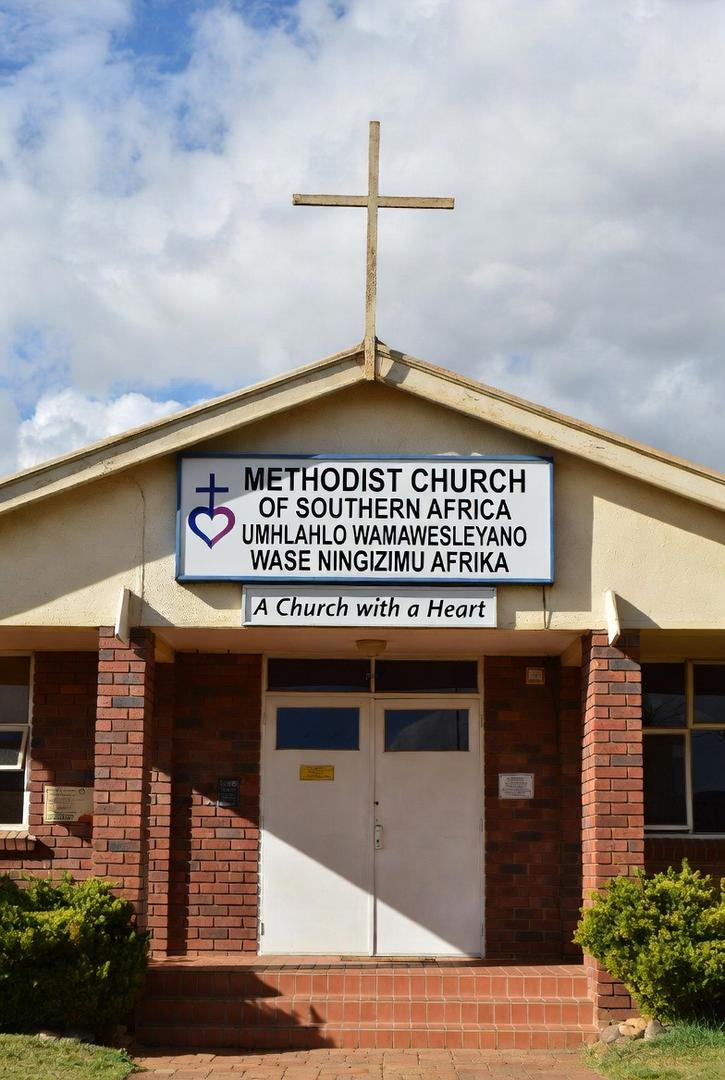
When you talk about some of the most respected and long-standing churches in Southern Africa, the Methodist Church of Southern Africa (MCSA) definitely stands out.
It’s not just a church with a long history—it’s a movement that has shaped communities, influenced education, and played a role in social change across countries like South Africa, Zimbabwe, Mozambique, and beyond.
But what exactly is the Methodist Church? What do they believe? And why has it remained relevant for so many years?
Let’s break it all down in a simple, engaging way.
The Origins of the Methodist Church
To understand the Methodist Church in Southern Africa, we need to go back to its roots.
The Methodist movement itself began in the 18th century through the work of John Wesley, an English preacher who wanted to bring renewal and discipline to Christian living.
The movement later spread to Africa through missionaries in the early 1800s. These missionaries came with a clear mission—to share the message of Christianity and build communities based on faith, education, and service.
Over time, what started as a small missionary effort grew into what we now know as the Methodist Church of Southern Africa.
Growth and Expansion
Today, the Methodist Church of Southern Africa is one of the largest Protestant churches in the region.
It operates in several countries, including:
-
South Africa
-
Zimbabwe
-
Lesotho
-
Botswana
-
Mozambique
-
Namibia
-
Eswatini
This wide reach has made the church a strong presence in both urban and rural areas.
One of the reasons for this growth is its ability to connect with everyday people, offering both spiritual guidance and practical support.
Leadership and Structure
The Methodist Church has a structured but flexible leadership system.
Instead of a single global leader like the Pope in the Catholic Church, leadership is shared among elected officials within the church.
At the top is the Presiding Bishop, who oversees the church’s direction and mission in the region. Supporting leaders include bishops and ministers who manage different districts and congregations.
This system allows for shared responsibility and encourages accountability within the church.
Core Beliefs of the Methodist Church
At its heart, the Methodist Church is a Christian church that follows the teachings of the Bible. However, it also emphasizes certain values that make it unique.
Here are some of the key beliefs:
1. Faith in God and Jesus Christ
Like other Christian denominations, Methodists believe in God as the creator and in Jesus Christ as the savior.
2. Grace and Salvation
A central teaching is that God’s grace is available to everyone. Salvation is seen as a gift, not something you earn.
3. Holy Living
Members are encouraged to live disciplined and meaningful lives—this includes honesty, kindness, and service to others.
4. Social Responsibility
The church strongly believes in helping others and improving society, not just focusing on spiritual matters.
Worship Style and Experience
Methodist services are known for being balanced—they’re not too rigid, but they’re also not overly dramatic.
A typical service may include:
-
Hymns and choir singing
-
Bible readings
-
A sermon
-
Prayers
The atmosphere is usually warm and welcoming, making it easy for newcomers to feel comfortable.
Music plays an important role, and many Methodist churches are known for their powerful choirs.
Role in Education and Community Development
One of the strongest areas of impact for the Methodist Church is education.
Education
Historically, the church has built schools and supported learning across Southern Africa. Many well-known schools in the region have Methodist roots.
Community Support
The church also runs programs that support:
-
Youth development
-
Poverty relief
-
Counseling and guidance
-
Health awareness
This practical approach to faith has helped the church stay relevant over the years.
The Church and Social Justice
The Methodist Church of Southern Africa has also played an important role in promoting justice and equality.
During difficult periods like apartheid in South Africa, many Methodist leaders spoke out against injustice and worked to support affected communities.
Even today, the church continues to stand for fairness, human dignity, and equal opportunities for all.
Cultural Influence
One of the reasons the Methodist Church has lasted so long is its ability to adapt to different cultures.
Services are often held in local languages, and traditions are respected while still maintaining core Christian teachings.
This balance makes the church accessible to a wide range of people.
Challenges in Modern Times
Like many churches around the world, the Methodist Church faces challenges today.
Some of these include:
-
Keeping younger generations interested
-
Adapting to modern lifestyles
-
Competing with newer, more contemporary churches
However, the church continues to evolve while holding on to its core values.
Why the Methodist Church Still Matters
So, why does the Methodist Church of Southern Africa still matter today?
-
It has a strong historical foundation
-
It promotes both faith and practical living
-
It supports education and community development
-
It stands for justice and equality
For many people, it offers a balanced approach to Christianity—one that speaks to both the heart and everyday life.
Conclusion
The Methodist Church of Southern Africa is more than just a denomination—it’s a community that has shaped lives across generations.
From its beginnings with John Wesley to its widespread presence today, the church has remained committed to faith, service, and growth.
Whether you’re exploring Christianity or simply learning about different churches, the Methodist Church offers a meaningful and grounded perspective that continues to inspire millions.