

-
 Infinity Media
- 6 Min Read
Bafana Bafana: The Story Of South Africa’S Pride And Passion
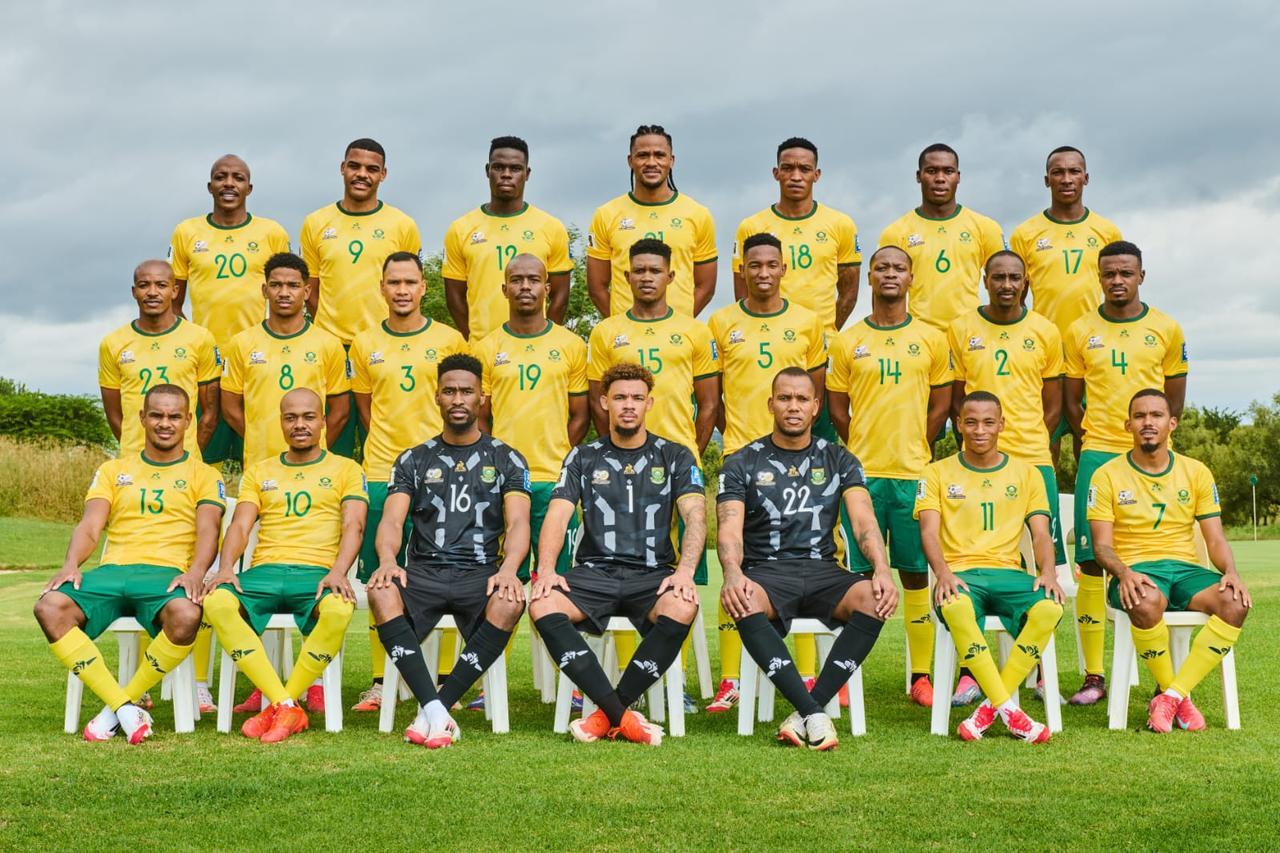
Football in South Africa is more than a sport — it is a heartbeat, a unifying force, and a language spoken across cultures and generations. At the center of that story stands the national team, fondly known as South Africa national football team, or simply Bafana Bafana. Their journey is not just about matches played or trophies won; it is about identity, resilience, and a nation finding its voice through football.
Origins: Football in a Divided Nation
To understand Bafana Bafana, you have to go back to a time when South Africa itself was deeply divided. During the era of apartheid, the country faced international isolation, and its sporting teams were banned from global competitions. Football, like many other aspects of life, was affected.
But even in those difficult years, the love for the game never faded. Communities gathered around dusty pitches, local leagues thrived, and the dream of representing a united South Africa remained alive.
Everything changed in the early 1990s when apartheid ended. In 1992, South Africa was readmitted into international football under the global governing body, FIFA. That moment marked the rebirth of the national team — a fresh start filled with hope.
The nickname Bafana Bafana, meaning “The Boys, The Boys” in isiZulu, quickly caught on. It wasn’t just a name; it became a symbol of pride, unity, and a new national identity.
The Golden Era: Africa Takes Notice
The mid-1990s were nothing short of magical for Bafana Bafana. With a talented generation of players and the energy of a newly united nation behind them, the team quickly rose to prominence.
Their defining moment came in 1996, when South Africa hosted and won the Africa Cup of Nations. It was a historic achievement. Playing on home soil, the team delivered performances that captured the imagination of the entire continent.
Led by iconic players like Doctor Khumalo, Lucas Radebe, and Mark Fish, Bafana Bafana combined skill, discipline, and belief. Their victory in the final was more than just a win — it was a moment of national celebration, a sign that South Africa had arrived on the global stage.
They continued their strong run with a runner-up finish in the 1998 AFCON and a third-place finish in 2000. For a time, Bafana Bafana were among the most respected teams in African football.
World Stage: The Dream of the FIFA World Cup
For any national team, playing in the FIFA World Cup is the ultimate dream. Bafana Bafana achieved this milestone when they qualified for the 1998 FIFA World Cup, marking their first appearance on football’s biggest stage.
They returned again in 2002, showing consistency and growth. While they did not progress far in those tournaments, their presence alone was a statement — South Africa was competing with the world’s best.
The most emotional chapter came in 2010, when South Africa hosted the 2010 FIFA World Cup. It was the first time the tournament was held on African soil, and the significance went beyond football.
The opening match against Mexico is still remembered for Siphiwe Tshabalala’s stunning goal — a strike that ignited celebrations across the continent. Although Bafana Bafana did not advance beyond the group stage, the tournament itself was a success, showcasing South Africa’s culture, hospitality, and love for the game.
Challenges and Transition Years
After the highs of the late 1990s and early 2000s, Bafana Bafana entered a period of transition. Changes in management, inconsistent performances, and the rise of stronger competition in African football made it difficult to maintain their earlier dominance.
Qualification for major tournaments became less consistent, and fans began to question the direction of the team. But even in these challenging times, the passion for Bafana Bafana never faded.
Supporters continued to fill stadiums, wave flags, and sing songs — a reminder that football in South Africa is deeply rooted in community and identity.
Rebuilding and a New Generation
In recent years, there has been a renewed sense of purpose around Bafana Bafana. A new generation of players has emerged, bringing fresh energy and ambition.
Talents like Percy Tau have become central figures in the team’s rebuilding process. Known for his creativity and attacking flair, Tau represents the modern face of South African football — confident, skillful, and globally aware.
Under new leadership and improved development structures, the team has begun to show signs of progress. Their performances in recent tournaments suggest that Bafana Bafana are on the path to reclaiming their place among Africa’s top teams.
Style of Play: Flair Meets Discipline
One of the defining features of Bafana Bafana has always been their style of play. South African football is known for its flair — quick passing, technical ability, and creativity.
But over the years, the team has also learned the importance of discipline and tactical awareness. The blend of artistry and structure has shaped their identity on the pitch.
Whether it’s a fast counterattack or a patient build-up, Bafana Bafana’s approach reflects the diversity and rhythm of South African culture itself.
Career Achievements and Milestones
Bafana Bafana’s journey is marked by several key achievements:
-
Africa Cup of Nations Champions (1996)
-
AFCON Runners-up (1998)
-
AFCON Third Place (2000)
-
FIFA World Cup Appearances (1998, 2002, 2010)
-
Consistent presence in African football competitions
These milestones tell the story of a team that has experienced both triumph and challenge, yet continues to evolve.
Net Worth and Financial Standing
Unlike individual players, a national team does not have a traditional “net worth.” However, the financial value associated with Bafana Bafana can be understood through several factors:
-
Funding from the South African Football Association
-
Sponsorship deals and partnerships
-
Broadcasting rights and tournament earnings
-
Player market values
The combined market value of players representing Bafana Bafana often runs into tens of millions of dollars, reflecting the growing quality and recognition of South African football.
Additionally, major tournaments like the FIFA World Cup and AFCON bring significant financial benefits, both to the team and the country’s football ecosystem.
Cultural Impact: More Than Just a Team
Bafana Bafana is more than a football team — it is a symbol of unity. In a country with diverse languages, cultures, and histories, football has the power to bring people together.
When Bafana Bafana plays, differences fade. Streets come alive, homes turn into viewing centers, and for 90 minutes, the nation beats as one.
The team has also played a role in inspiring young athletes. Many children across South Africa grow up dreaming of wearing the national jersey, just as their heroes once did.
Legacy: A Story Still Being Written
The story of Bafana Bafana is far from over. It is a living narrative, shaped by every match, every player, and every fan who believes in the team.
From the struggles of apartheid to the glory of AFCON victory, from World Cup dreams to rebuilding phases, Bafana Bafana represents resilience.
Their journey reminds us that success is not always a straight path. There are highs and lows, victories and setbacks. But what matters is the spirit to keep going.
As new talents rise and the team continues to grow, one thing remains certain — Bafana Bafana will always hold a special place in the heart of South Africa and African football as a whole.