
-
 Infinity Media
- 5 Min Read
Abdul Samad Rabiu: Biography, Family Net Worth, And Business Career
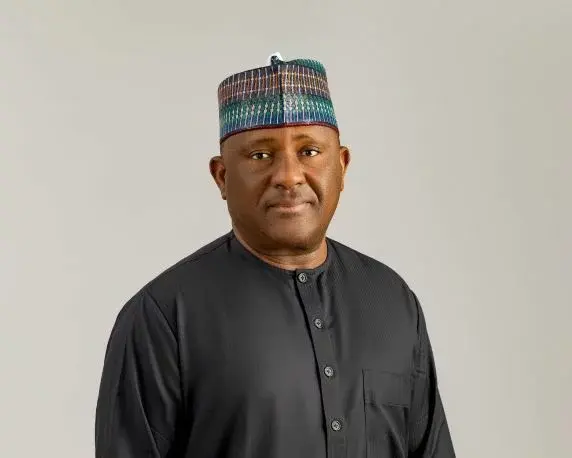
Abdul Samad Isyaku Rabiu is widely regarded as one of Nigeria’s most successful industrialists and business visionaries. Over several decades, he has built a formidable empire that spans cement manufacturing, food processing, sugar refining, real estate, and infrastructure development. As the founder and chairman of the BUA Group, Rabiu has played a critical role in shaping Nigeria’s modern industrial landscape.
Beyond his immense wealth, Abdul Samad Rabiu is admired for his disciplined business strategy, long-term investment mindset, and commitment to economic development. His journey from a privileged but demanding family background to becoming one of Africa’s richest men is a story of preparation, resilience, and calculated expansion.
Early Life and Family Background
Abdul Samad Rabiu was born on August 4, 1960, in Kano State, a historic commercial hub in northern Nigeria. He was born into a prominent business family, with deep roots in commerce and industry. His father, Khalifah Isyaku Rabiu, was one of Nigeria’s most respected businessmen during the 1970s and 1980s. He was involved in multiple sectors, including manufacturing, banking, trading, and real estate.
Growing up in such an environment meant that Abdul Samad Rabiu was exposed early to the realities of business — from risk-taking and negotiation to the importance of discipline and integrity. However, despite his privileged background, success was not handed to him on a silver platter. The Rabiu household emphasized responsibility, education, and accountability, values that would later shape his leadership style.
Abdul Samad Rabiu comes from a very large family and is one of 42 siblings, many of whom are also involved in business and professional ventures. This family structure fostered competition, resilience, and independence, qualities that became central to his entrepreneurial journey.
Education and Global Exposure
To prepare him for the future, Rabiu’s family invested heavily in his education. After completing his early education in Nigeria, he traveled to the United States, where he studied Economics at Capital University in Columbus, Ohio.
His academic training gave him a strong understanding of economic systems, trade dynamics, and financial planning. More importantly, his time abroad exposed him to global business practices, corporate governance, and international markets. These experiences would later influence how he structured and expanded his businesses.
At the age of 24, Rabiu returned to Nigeria, equipped with formal education, global exposure, and a clear ambition to build something of his own.
The Birth of BUA Group
In 1988, Abdul Samad Rabiu founded BUA International Limited, which later evolved into what is now known as the BUA Group. The company initially focused on commodity trading, importing essential goods such as rice, flour, sugar, edible oil, iron, and steel.
This phase of the business was strategic. Nigeria’s population was growing rapidly, and demand for basic consumer and industrial goods was rising. Rabiu identified supply gaps and positioned his company as a reliable importer and distributor of essential commodities.
A major breakthrough came in 1990, when BUA entered into a landmark agreement with the Delta Steel Company, a government-owned enterprise. Under the arrangement, BUA supplied raw materials in exchange for finished steel products. This deal significantly boosted the company’s revenue, credibility, and operational capacity, marking the beginning of Rabiu’s transition from trading into industrial production.
Strategic Shift into Manufacturing
Unlike many traders who remained comfortable with imports, Abdul Samad Rabiu made a bold decision to move into manufacturing and industrial processing. He believed that Nigeria’s long-term economic stability depended on local production rather than heavy reliance on imports.
Steel and Milling Operations
BUA invested in steel production, importing iron ore, producing steel billets, and operating rolling mills. These investments allowed the company to compete with established industrial players and meet local demand for construction materials.
Food Processing and Agro-Allied Ventures
In the early 2000s, BUA expanded aggressively into food processing. The group acquired major edible oil processing assets and later launched flour milling plants in Lagos and Kano. These facilities helped BUA gain a strong foothold in Nigeria’s flour and pasta market.
One of the most significant milestones came in 2008, when BUA commissioned a large sugar refinery, effectively breaking a long-standing monopoly in Nigeria’s sugar industry. This move reshaped competition in the sector and positioned BUA as a major force in food manufacturing.
Cement: The Core of the BUA Empire
The cement sector became the backbone of Abdul Samad Rabiu’s business empire. In 2009, BUA acquired a controlling stake in the Cement Company of Northern Nigeria (CCNN), signaling a serious entry into cement manufacturing.
Rabiu later embarked on the construction of a massive cement plant in Edo State, which was completed in 2015. This plant significantly increased BUA’s production capacity and strengthened its national presence.
In 2020, Rabiu consolidated his cement interests by merging Obu Cement Company with CCNN to form BUA Cement Plc, now listed on the Nigerian Exchange. He retains an overwhelming controlling stake in the company, making cement the single largest contributor to his wealth.
Today, BUA Cement is one of the largest cement producers in Nigeria and sub-Saharan Africa, supplying critical materials for infrastructure, housing, and industrial development.
Net Worth and Financial Standing
Abdul Samad Rabiu is consistently ranked among Nigeria’s and Africa’s richest individuals. His net worth is estimated at approximately $8.5 billion, placing him just behind Aliko Dangote among Nigeria’s wealthiest citizens.
The bulk of his wealth comes from:
-
His dominant ownership in BUA Cement Plc
-
His controlling stake in BUA Foods Plc
-
Additional interests across manufacturing, logistics, and real estate
While net worth figures fluctuate due to market conditions, Rabiu’s wealth has grown steadily over the years, driven by long-term investments rather than short-term speculation.
Personal Life and Family
Abdul Samad Rabiu was formerly married to Hannatu Musawa, and the marriage produced four children: Khadija (popularly known as Cookie), Isyaku Khalifa, Junaid, and Rania Rabiu.
Despite his public profile, Rabiu maintains a relatively private personal life. He is known for his reserved lifestyle, strong family values, and focus on business and philanthropy rather than public display.
Philanthropy and Social Impact
Beyond wealth creation, Rabiu is deeply involved in philanthropy. Through initiatives such as the BUA Foundation and ASR Africa, he supports projects in:
-
Healthcare infrastructure
-
Educational development
-
Social and economic empowerment
His approach to giving emphasizes sustainability, aiming to create long-term impact rather than temporary relief.
Legacy and Influence
Abdul Samad Rabiu’s legacy extends far beyond personal wealth. Through BUA Group, he has:
-
Created thousands of jobs across Nigeria
-
Reduced reliance on imported goods
-
Strengthened Nigeria’s manufacturing base
-
Influenced policy discussions around industrialization
He stands as a powerful example of how disciplined entrepreneurship and strategic investment can drive national development.
Conclusion
From humble beginnings in commodity trading to building one of Africa’s most powerful industrial empires, Abdul Samad Rabiu’s story is one of vision, patience, and execution. His journey highlights the importance of local manufacturing, strategic growth, and responsible leadership.
As Nigeria continues to pursue economic diversification, Abdul Samad Rabiu’s impact will remain deeply woven into the country’s industrial and economic future.